Blog
Thoughts, tutorials, and insights on digital accessibility and inclusive design
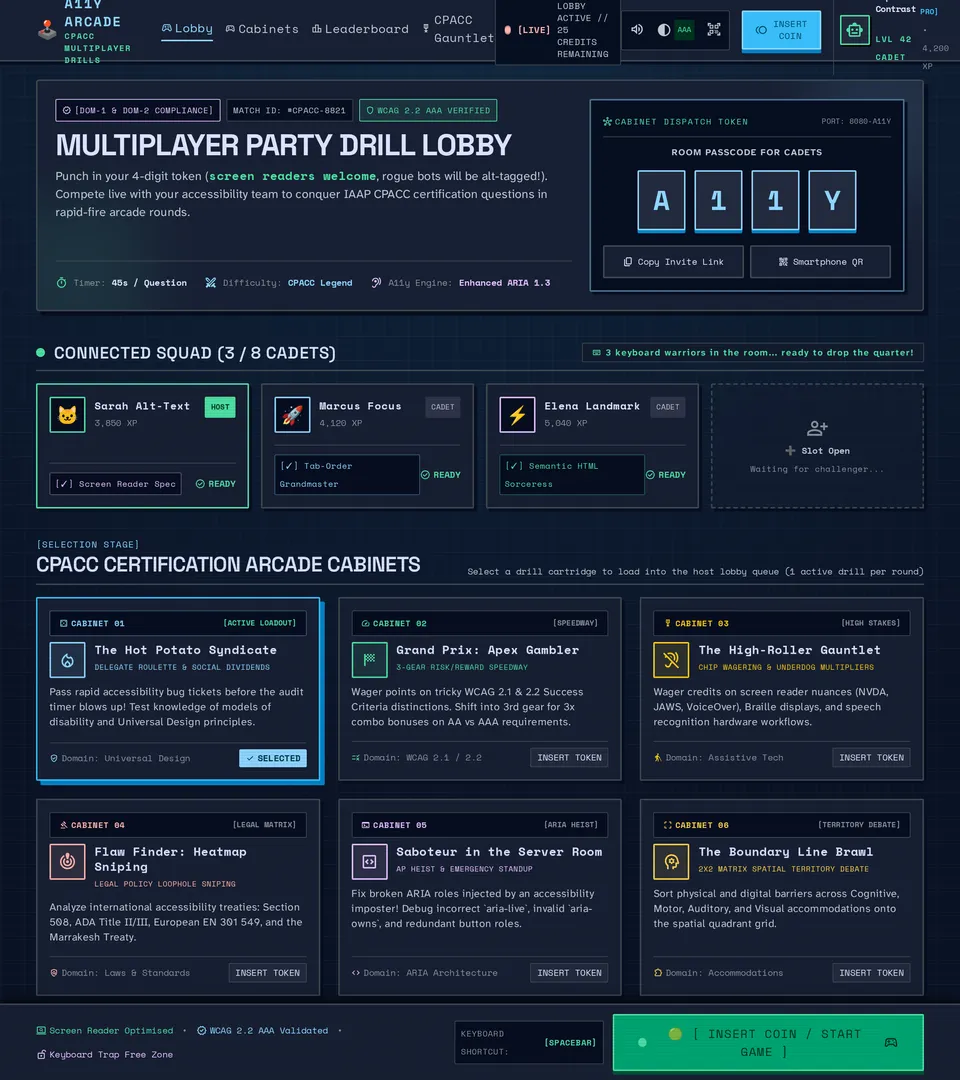
Introducing A11y Arcade: The Mario Party of Accessibility & CPACC Certification Mastery
A11y Arcade is an accessible, real-time multiplayer party game and solo training suite designed for team meetings, engineering workshops, and IAAP CPACC certification prep.
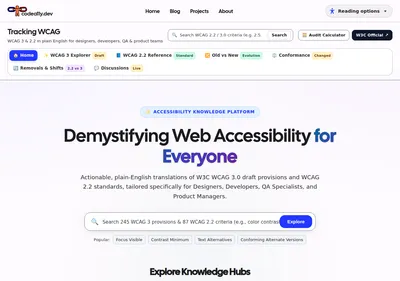
Introducing Tracking WCAG: WCAG 3 and 2.2 in Plain English
Tracking WCAG is a free reference that explains every WCAG 2.2 success criterion and every WCAG 3 draft provision in plain language, and follows the W3C draft as it changes.
Unifying codea11y: One Accessible Home
How I brought codea11y.dev and Tracking WCAG under one design system, one reading-options panel and one WCAG 2.2 AA bar, and what the audit found along the way.

Your First ARIA Component: Building a Disclosure (Accordion)
Learn how to build an accessible disclosure widget with ARIA. Step-by-step guide with HTML, JavaScript, and screen reader considerations.
You Know Semantic HTML. Now What? An Intro to ARIA
Learn the vocabulary of ARIA: Roles, Properties, and States. Discover how to build accessible web components that go beyond what HTML provides.
From Disclosure to Accordion: Building a Complex Component
Learn how to build a fully accessible accordion widget with ARIA, semantic HTML, and keyboard navigation. Step-by-step guide with working demo.
Start Your Next Web Project Right: The Two First Steps
Learn the two essential foundations every web project needs: implementing a CSS reset for consistent styling and using semantic HTML for accessibility, SEO, and maintainability.
The "First Rule of ARIA" Misconception: Why ARIA is Still Essential
Understanding when and why ARIA is necessary for accessible web development, and how it fits into clean code principles and legacy system maintenance.
Crafting Accessible Dialog Boxes and Modals: A Guide for Inclusive UI
Learn essential principles and practical techniques for building dialog boxes and modals that are accessible to everyone, including focus management, ARIA attributes, and keyboard interactions.
Ditch the Div-Button: Why Semantic Buttons Win (and When to Reach for ARIA)
Learn why the native HTML button element should be your go-to for interactive controls, how to style it from scratch while maintaining accessibility, and when ARIA is actually needed.
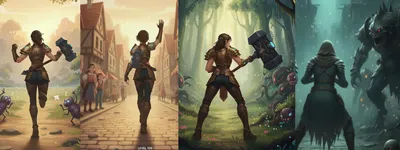
The Silent Symphony: Using Body Language to Guide Players Who Are Deaf or Hard-of-Hearing
How visual and haptic character cues can enhance sound to create true immersion.
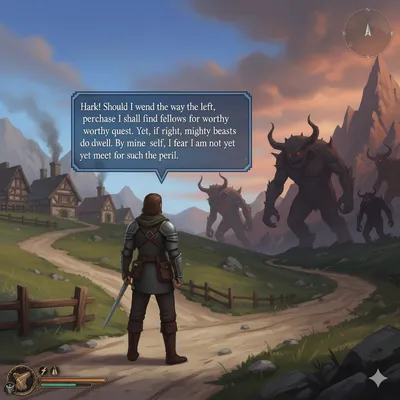
Crafting a Soul, Not Just a Shell: Accessibility and The Future of Character Creation
My thoughts on an accessible game feature can make it much more immersive